

How Impairment Detection Technology Works
A vehicle operator makes an unexpected maneuver. A machinery operator takes a little longer to respond. An employee becomes sleepy during a long night shift. Such warning signs might appear insignificant, but they may increase the risk of workplace incidents.
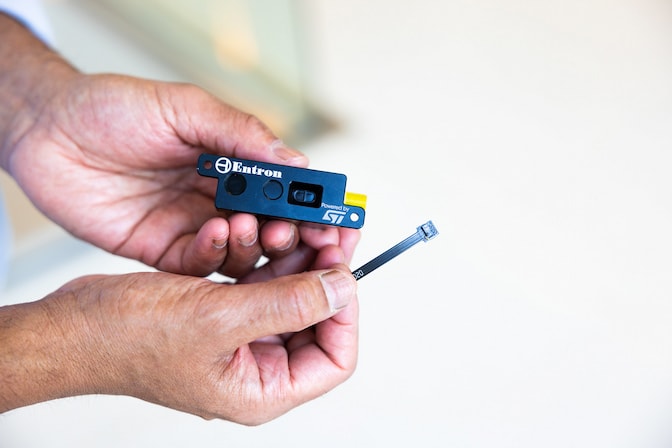
Impairment detection technology aims to detect conditions that could affect a person's ability to work or operate equipment safely. Depending on the application, impairment may be associated with fatigue, drowsiness, alcohol, drugs, or reduced attention. Digital monitoring systems and physiological sensors can help identify potential hazards before an incident occurs cognitive impairment due to drug use.
Camera-based systems examine facial features, eyelid movements, and head positioning. Other solutions evaluate reaction times, steering behavior, speech patterns, or changes in physiological signals. Modern detection platforms can analyze several indicators together to provide a more comprehensive assessment.
The main objective is to identify warning signs early enough for appropriate action.
Key Technologies Used in Impairment Monitoring
Computer vision plays an important role in impairment detection. Cameras capture facial features and eye movements, while machine learning algorithms analyze patterns associated with fatigue and alertness. Frequent yawning, prolonged eyelid closure, and repeated head nodding may indicate reduced alertness or tiredness.
Yawning alone cannot reliably determine whether someone is experiencing impairment. Yawning can occur for several reasons unrelated to fatigue. Effective monitoring solutions combine repeated observations instead of drawing conclusions from a single action.
Wearable devices provide another approach to impairment monitoring. Wearable monitors, biometric wrist devices, and health-tracking equipment can measure heart rate, activity levels, skin temperature, and other physiological indicators. Certain devices interpret collected measurements to calculate possible fatigue or stress indicators.
Measurement reliability can vary considerably, including device performance, wearer behavior, and operating conditions. Consequently, these readings should not automatically be treated as definitive proof of impairment.